







Protect Your Digital Identity Before AI Impersonates It in 2026

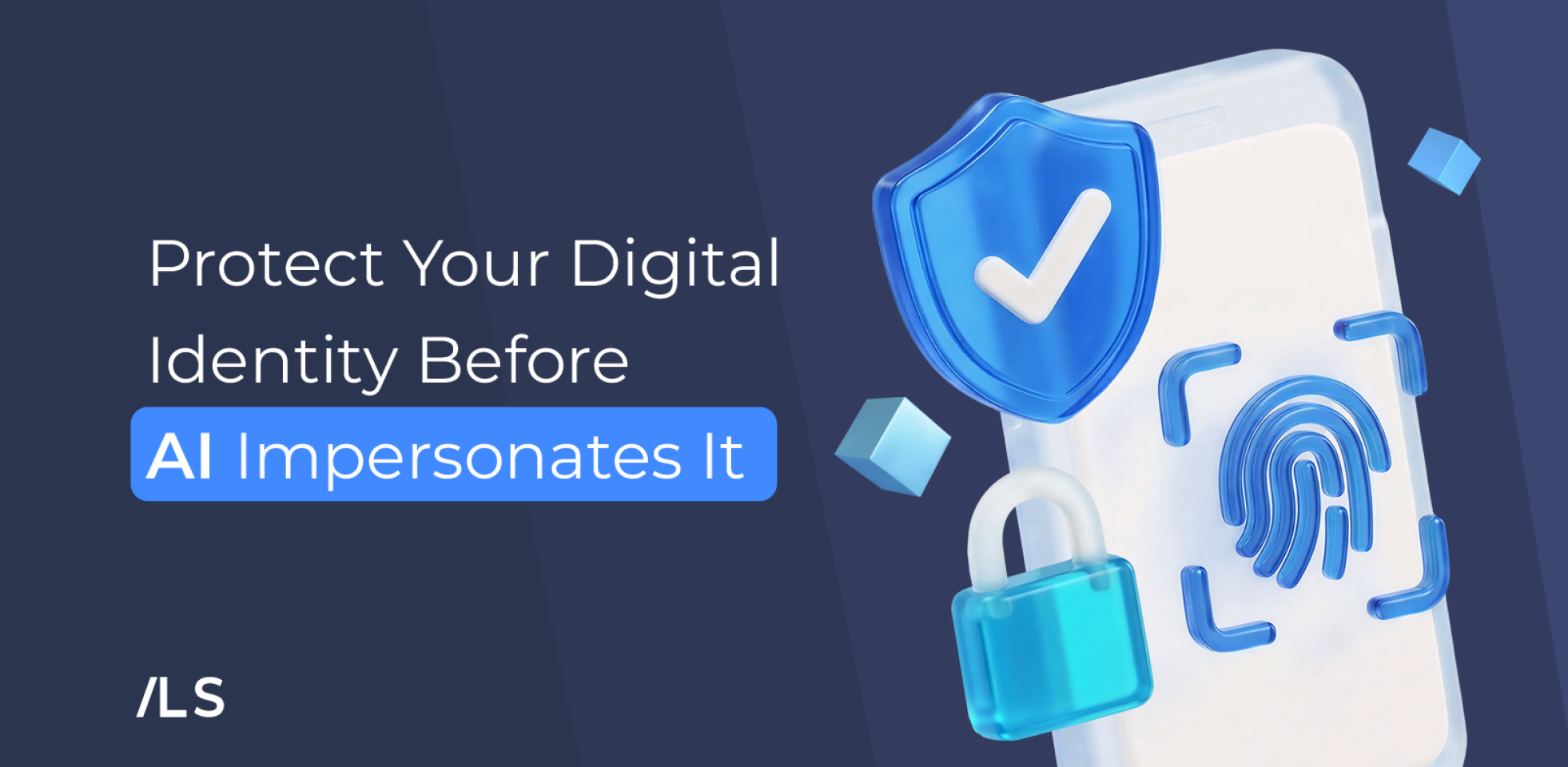
In 2026, your domain is no longer just a web address, it is the foundation of your digital identity. As we mark Identity Management Day, it’s a timely reminder that it powers your email communication, represents your brand, and serves as the entry point for every customer interaction.
But while most businesses focus on protecting their internal systems, a critical question is often overlooked: Is your digital identity truly protected from Impersonation?
Your digital identity is everything that represents you or your business online, your domain name, email addresses, DNS records, websites, and even your communication style. For individuals, it can be your personal email and online presence. For companies, it is your brand’s voice, reputation, and the trust customers place in every interaction.
Because today, attackers don’t need to break into your systems; With AI, they can simply imitate you.
A New Era of Cyber Threats
Artificial intelligence (AI) has transformed how businesses operate, but it has also transformed how attacks are executed.
Digital identity today is exposed to multiple types of attacks, including domain spoofing, email impersonation, phishing, and DNS hijacking. These attacks no longer rely on breaking systems, they rely on pretending to be you.
Modern attackers can now:
- Replicate your company’s tone and communication style.
- Generate realistic, context-aware emails in seconds.
- Mimic internal conversations or executive requests.
- Target clients with highly personalized messages.
In 2024, employees at global engineering firm Arup were tricked into transferring $25.6 million after attackers used AI-generated deepfake voices of executives. This shows how AI can exploit trust in your digital identity without ever breaking into systems.
These are not the generic phishing attempts of the past. They are precise, believable, and increasingly trusted.
What Makes This Dangerous
The more accurate the impersonation, the higher the trust, and the greater the damage.
If You Can’t Be Recognized, You Can’t Be Trusted
Your customers trust your domain. They trust your emails. They trust your brand.
But trust depends on recognition. If your digital identity can be easily imitated, how can your customers be sure it is really you?
AI-driven attacks exploit that trust. A single fraudulent message can:
- Trigger unauthorized payments.
- Expose sensitive business data.
- Disrupt operations.
- Damage long standing client relationships.
And in most cases, the responsibility is associated with your business, not the attacker.
Why Traditional Security Is No Longer Enough
Firewalls, antivirus solutions, and strong passwords remain essential but they are designed to protect systems, not identities.
Today’s attacks happen outside your infrastructure, They rely on gaps in:
- Email authentication
- Domain protection
- Identity verification
This means your organization can appear secure internally while your external identity remains exposed.
What Should You Focus On?
To secure your digital front door, businesses must shift toward identity first security:
- Email Authentication: Ensure only authorized systems can send emails from your domain.
- Domain Protection: Secure DNS records against tampering and hijacking.
- Multi-Factor Authentication (MFA): Add layers of verification beyond passwords
- Encryption (SSL/TLS): Protect communication and reinforce trust
- Backup & Recovery: Restore operations quickly in case of compromise
These measures work together to ensure that your identity is not just visible, but verifiable.
Did you know that attackers today don’t waste their time trying to breach complex systems; instead, they prefer “domain impersonation” as a quick and easy shortcut through the front door.
From Risk to Control
As AI continues to evolve, impersonation will only become more accessible and more convincing.
Organizations that take action now will:
- Protect their brand reputation.
- Maintain customer trust.
- Prevent financial and operational risks.
- Strengthen their overall security posture.
In contrast, those who delay may only realize the gap after an incident occurs.
Your domain is your digital front door, Your email is your voice, “Your digital identity is how the world recognizes and trusts you.“
If they are not secured, attackers don’t need to force entry, they simply walk in, speak as you, and act on your behalf.
Share:












Leave a Reply